
-
Call Now +2348051946228
-
Any Questions elizabethperfumery@gmail.com
What to Look for When Buying Arabian Perfumes: A Buyer’s Guide
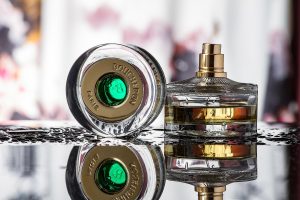
Arabian perfumes have a reputation that Western fragrances rarely match. They’re richer, they last longer, and they carry ingredients — oud, amber, saffron, musk — that most drugstore colognes never touch. That reputation is exactly why the market is flooded with imitations.
If you’ve ever bought a bottle labeled “oud” that smelled more like burnt plastic than aged agarwood, you already know the problem. Arabian perfumery is a specialist craft, and buying well means knowing a handful of things most shoppers never get told.
This guide walks through exactly what to look for when buying Arabian perfumes — from concentration and ingredients to spotting counterfeits and choosing a scent that actually suits you.
Why Arabian Perfumes Smell Different From Western Fragrances
Most Western perfumes are built around light top notes — citrus, aquatic accords, fresh florals — designed to fade gracefully over a few hours. Arabian perfumery works from the opposite direction. It starts with heavy, resinous base notes and builds upward, which is why a good oud or amber fragrance can still be present on your skin the next morning.
The climate plays a role too. Perfumery in the Gulf region developed to perform in heat, which means the ingredients are naturally more concentrated and more resistant to breaking down over the course of a hot day. That’s a big part of why these fragrances feel so much stronger than what you’re used to.
Understand Concentration: Attar, Oil-Based, and Alcohol-Based
This is the single most important thing to check before buying, and most first-time buyers skip it entirely.
Attar (oil-based, alcohol-free):
Attars are the traditional form of Arabian perfume. They’re highly concentrated, applied in small amounts, and sit closer to the skin than sprayed fragrances. Because there’s no alcohol, they don’t evaporate quickly, which is why a tiny dab can last a full day.
Alcohol-based Arabian perfumes:
These behave more like Western eau de parfum but usually carry a much higher percentage of fragrance oil — often 20% or more, compared to the 10–15% typical of a standard eau de parfum. That higher concentration is exactly why Arabian perfumes tend to project further and last longer on the skin.
What to check when buying:
- Confirm whether the bottle is an attar, an oil, or an alcohol-based spray — sellers should state this clearly
- Ask about the fragrance oil percentage if it isn’t listed
- Decide based on how you plan to wear it: attars for close-skin scent, sprays for wider projection
Read the Ingredient List Before You Pay
A genuine Arabian perfume house will tell you what’s in the bottle. If a seller can’t name the core notes, treat that as a warning sign, not a minor gap.
Look for:
- Named natural materials — oud (agarwood), amber, musk, saffron, rose, sandalwood — rather than vague terms like “oriental blend”
- Country or region of origin for oud, since Cambodian, Indian, and Malaysian agarwood all smell distinctly different
- Whether the oud is natural, synthetic, or a blend — synthetic oud accords are common and perfectly legitimate, but you should know which one you’re paying for
Genuine agarwood is also one of the most heavily regulated natural materials in the fragrance industry, since wild Aquilaria trees — the source of natural oud — are protected under international wildlife trade agreements because of overharvesting. TRAFFIC, the wildlife trade monitoring network, has documented how demand for agarwood continues to outpace sustainable supply, which is part of why so much “oud” on the market today is a synthetic or semi-synthetic reproduction rather than the real wood extract.
Learn to Recognize Genuine Arabian Notes
You don’t need a perfumer’s nose to shop smart — you just need to know what the main players actually smell like.
- Oud (agarwood): Woody, smoky, slightly animalic. Real oud has depth and complexity; cheap synthetic versions often smell flat or harsh.
- Amber: Warm, sweet, resinous — often the backbone of long-lasting Arabian scents.
- Musk (white musk): Soft, clean, skin-like. Used to round out sharper notes.
- Saffron: Slightly leathery and spicy, common in high-end Arabian blends.
- Bakhoor: Technically incense rather than perfume, but often layered with fragrance to build depth. Some Arabian perfumes are formulated to echo this smoky, wood-based character.
If a bottle claims to contain several of these but smells one-dimensional, that’s often a sign of a weak or synthetic formulation rather than a genuine blend.
How to Spot a Fake or Diluted Bottle
Counterfeit and diluted Arabian perfumes are common, especially with popular oud blends. A few checks go a long way.
- Packaging quality — genuine bottles have clean printing, properly seated caps, and consistent branding. Blurry logos or misspelled brand names are immediate red flags.
- Batch codes — legitimate perfume houses print batch numbers on the box and bottle. If a seller can’t explain what the code means, be cautious.
- Price relative to market rate — a bottle claiming pure natural oud at a fraction of the usual price almost never is what it says.
- Scent consistency — buy from sellers who let you test before committing, and compare against the brand’s known scent profile where possible.
- Seller reputation — established perfumeries with a physical presence and consistent customer reviews are a safer bet than anonymous online listings.
If you want a starting point that removes most of this guesswork, browsing a curated shop of verified original perfumes is a faster route than sorting through unverified sellers one by one.
Longevity, Sillage, and Projection: What Actually Matters
These three terms get thrown around loosely, so it helps to separate them.
- Longevity is how long you can still smell the fragrance on your own skin.
- Sillage is the scent trail left behind as you move.
- Projection is how far the fragrance reaches from your body without anyone leaning in.
Arabian perfumes are known for strong performance on all three, but that’s not automatically a good thing. A fragrance with heavy projection can be overwhelming in a small office or a closed car. When buying, ask the seller how the scent behaves over several hours, and consider testing on skin rather than just smelling from the bottle — Arabian fragrances often shift noticeably as the top notes fade and the base notes take over.
Matching the Scent to the Occasion
Not every Arabian perfume suits every setting. A general rule of thumb:
- Daytime or office wear: lighter attars or perfumes with citrus and floral top notes over a soft musk base
- Evening or special occasions: deeper oud and amber compositions with strong projection
- Religious or formal gatherings: bakhoor-inspired scents or traditional attars, which carry cultural weight in many Arabian and Islamic traditions
- Everyday wear: a balanced blend — noticeable but not overpowering — is usually the safer choice
If you’re buying as a gift or you’re new to Arabian fragrances, asking for a recommendation based on the occasion is almost always more useful than picking blind off a shelf.
Where to Buy Arabian Perfumes in Nigeria
Sourcing matters as much as ingredients. Nigeria’s fragrance market has grown quickly, and with that growth has come a rise in resellers offering diluted or counterfeit “designer oud” blends, particularly online.
When choosing where to buy:
- Confirm the seller stocks authentic, verifiable products rather than repackaged imports of unknown origin
- Check for a real store presence — Ado-Ekiti-based Elizabeth Perfumery, for example, operates both a physical storefront and an online shop, which gives buyers somewhere to return to for questions or exchanges
- Ask whether the seller offers guidance on fragrance selection — a good perfumery will help you match a scent to your skin chemistry and occasion, not just process a transaction
- Look for sellers offering nationwide delivery with proper packaging, since heat and rough handling can affect fragrance quality in transit.
What You Should Expect to Pay
Price is one of the clearest signals of authenticity, but it varies widely depending on formulation.
- Attars and oil-based perfumes: generally more affordable per bottle since a little goes a long way, though pure natural oud attars can be priced high due to the cost of raw agarwood
- Synthetic oud or amber blends: mid-range pricing, offering strong performance without the cost of natural raw materials
- Designer-inspired Arabian perfumes: priced closer to standard designer fragrances, reflecting the quality of ingredients and brand positioning
- Rare natural oud extracts: the most expensive category by far, given how scarce and heavily regulated genuine agarwood has become
A price that seems too good for what’s being claimed almost always means something has been cut — either the oud is fully synthetic when it’s marketed as natural, or the concentration is lower than stated.
Storing and Applying Arabian Perfumes Correctly
Even a genuine, well-chosen perfume can underperform if it’s stored or applied poorly.
- Keep bottles away from direct sunlight and heat, which break down fragrance oils over time
- Apply to pulse points — wrists, neck, behind the ears — where body heat helps the scent develop properly
- Use attars sparingly, since a small amount is designed to last for hours
- Avoid rubbing wrists together after application, which can break down top notes and alter how the fragrance develops
- Layer with matching bakhoor or oud-based body products if you want to build a longer-lasting, more textured scent profile
Summary
Buying Arabian perfumes well comes down to a short list of checks: know the concentration you’re getting, ask what’s actually in the bottle, learn to recognize genuine oud and amber, and buy from a seller who can answer questions rather than just take payment. Price and packaging will usually tell you most of what you need to know before you even open the cap.
Get those basics right, and an Arabian perfume becomes one of the most rewarding fragrance categories to explore — distinctive, long-lasting, and genuinely different from anything on a standard department store shelf.
Frequently Asked Questions
1. What’s the difference between attar and regular perfume?
Attar is an oil-based, alcohol-free fragrance applied in small amounts directly to the skin, while regular perfume is typically alcohol-based and sprayed. Attars tend to last longer per application because they evaporate more slowly.
2. How can I tell if oud perfume is real?
Genuine oud has a complex, layered woody-smoky scent that shifts over time on the skin. Synthetic versions often smell flatter or sharper. Checking the seller’s description of the oud’s origin and asking whether it’s natural or synthetic is the most reliable way to know what you’re buying.
3. Are Arabian perfumes stronger than Western perfumes?
Generally, yes. Arabian perfumes typically use a higher concentration of fragrance oil, which gives them stronger projection and longer-lasting scent on the skin compared to standard Western eau de toilette or eau de parfum.
4. Is natural oud always better than synthetic oud?
Not necessarily. Natural oud is prized for its complexity, but genuine agarwood is scarce and heavily regulated, which makes it expensive. Well-formulated synthetic oud can offer a similar character at a more accessible price, and many respected perfumers use it deliberately rather than as a shortcut.
5. How much Arabian perfume oil should I apply?
A small amount goes a long way. For attars, one or two dabs on pulse points is usually enough. For alcohol-based Arabian perfumes, one or two sprays typically provides several hours of noticeable scent.
6. Can Arabian perfumes be worn every day?
Yes, though lighter blends with softer musk or floral top notes tend to suit daily wear better than heavier oud or bakhoor-forward compositions, which are often reserved for evenings or special occasions.
7. Where can I buy authentic Arabian perfumes in Nigeria?
Look for established perfumeries with a verifiable store presence, clear ingredient information, and consistent customer feedback. Elizabeth Perfumery’s shop page lists a range of original fragrances with nationwide delivery.
8. Why do Arabian perfumes cost more than regular fragrances?
Higher fragrance oil concentration, the cost of natural ingredients like oud and saffron, and the labor-intensive nature of traditional Arabian perfumery all contribute to higher prices, particularly for perfumes containing natural agarwood.
Ready to Find Your Signature Scent?
If you’re ready to experience the depth and richness of genuine Arabian perfumery, browse Elizabeth Perfumery’s shop for a curated selection of authentic fragrances. With over 200 perfume brands available, more than 2,000 satisfied customers, and nationwide delivery across Nigeria, our team can help you find a scent that matches your style and occasion. Reach out today for a personal fragrance recommendation and place your order with confidence.
