

-
Call Now +2348051946228
-
Any Questions elizabethperfumery@gmail.com
Perfume Oil vs Perfume Spray for Hot Weather: Which Performs Better?
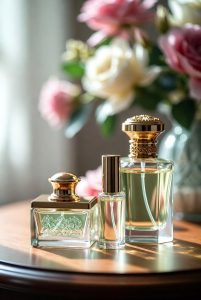
Heat changes everything about how fragrance behaves. What smells perfectly balanced in air conditioning can turn overwhelming — or disappear entirely — once temperature and humidity rise. If you live somewhere genuinely hot for most of the year, the perfume oil versus spray question isn’t just preference, it’s practical.
Here’s how the two actually perform in heat, and which one makes more sense depending on how you sweat, move, and want to smell through the day.
The Short Answer for Hot Climates
Perfume oil generally performs better in hot weather than alcohol-based spray. Oil sits closer to the skin, releases scent more gradually, and doesn’t carry the sharp initial burst that heat tends to amplify into something overwhelming. Alcohol-based sprays, by contrast, project harder as temperature rises, which can turn a pleasant scent into something that feels too strong in a warm, humid room or crowded space.
That doesn’t make spray the wrong choice for hot weather — it just means the two need to be worn differently to perform well.
How Heat Changes the Way Fragrance Behaves
Fragrance molecules evaporate faster as temperature rises. This has two effects that matter a lot in hot climates:
- Scents project further and feel stronger, since heat speeds up how quickly fragrance molecules move off the skin into the air
- Top notes fade faster, meaning a fragrance can burn through its opening notes and settle into its base within a shorter time than it would in cooler weather
Alcohol also evaporates faster in heat than in cooler conditions, which is part of why alcohol-based sprays can feel more intense and less controlled once temperatures climb. Oil-based formats don’t carry that same alcohol evaporation effect, so they tend to release more predictably.
Perfume Oil: Strengths and Limitations in Heat
Strengths:
- Releases scent gradually rather than in one strong burst
- Sits close to the skin, producing a more intimate, controlled scent rather than a large cloud
- Doesn’t contain alcohol, so it isn’t affected by the faster evaporation heat causes in alcohol-based formulas
- Often more concentrated, so a small amount lasts through a hot day without needing reapplication
Limitations:
- Lower projection means people further away may not notice the scent at all
- Can feel slightly heavier or tackier on very sweaty skin
- Fewer perfume oils are available in the wide range of designer fragrances compared to sprays
Perfume Spray: Strengths and Limitations in Heat
Strengths:
- Wider selection, since most designer and niche perfumes are formulated as alcohol-based sprays
- Easier, more even application across larger areas like clothing and hair
- Can be layered more precisely by controlling the number of sprays
Limitations:
- Alcohol evaporates faster in heat, which can shorten how long the scent lasts before it needs reapplication
- Top notes burn off quickly in high temperatures, sometimes skipping straight to base notes faster than intended
- Stronger initial projection can feel overwhelming in hot, humid, or enclosed spaces
Longevity Compared in High Temperatures
This is where the two formats genuinely differ.
- Perfume oil tends to hold up well through heat because there’s no alcohol to accelerate evaporation. A quality oil applied to pulse points can remain noticeable for 6–8 hours even in warm conditions.
- Perfume spray, particularly Eau de Toilette concentrations, can fade faster in heat than the same fragrance would in a cooler climate, sometimes cutting expected longevity by a third or more depending on humidity and activity level.
Higher-concentration sprays (Eau de Parfum or Parfum) close some of this gap, since more fragrance oil is present even after the alcohol evaporates. But gram for gram, oil formats generally have an advantage in sustained heat.
Sweat, Humidity, and How Each Format Holds Up
Sweat and humidity interact differently with each format.
- Oil-based perfumes tend to blend with natural skin oils, which can actually help the scent develop more richly through a hot, humid day, though heavy sweating can eventually wash it away from application points
- Alcohol-based sprays can mix unpredictably with sweat, sometimes creating a sharper or less pleasant combined scent, particularly with sprays heavy on synthetic musks or aldehydes
- Both formats benefit from being applied to clean, dry skin — fragrance holds far better on freshly washed skin than skin already carrying sweat or humidity
Which Notes Perform Best in Hot Weather
Regardless of format, certain fragrance families handle heat better than others:
- Citrus and aquatic notes feel fresher in heat but fade fastest, so they often need reapplication
- Light florals hold up reasonably well without becoming overwhelming
- Heavy oud, amber, and vanilla-forward scents can feel too intense in extreme heat, especially in spray form, though they perform beautifully in oil format applied sparingly
- Woody and green notes tend to sit in a comfortable middle ground, projecting enough to be noticed without becoming heavy
If you’re choosing a fragrance specifically for hot weather, lighter formulations in either format generally outperform heavy, resinous compositions unless you’re applying them as a controlled oil rather than a spray.
How to Apply Each Format for Best Results in Heat
For perfume oil:
- Apply to pulse points — wrists, inner elbows, back of the neck
- Use a light touch; oils are concentrated, so a little covers a lot of ground
- Reapply lightly midday rather than heavily in the morning if you want scent to last through the evening
For perfume spray:
- Reduce the number of sprays compared to what you’d use in cooler weather, since heat amplifies projection
- Apply to clothing as well as skin, since fabric holds fragrance longer than skin in high heat
- Avoid over-application near the face and neck, where projection is strongest and can become overwhelming in warm, close settings
Which Should You Choose?
- Choose perfume oil if you want a scent that stays close, lasts through a hot day without much reapplication, and doesn’t risk becoming overpowering in warm, enclosed spaces
- Choose perfume spray if you want a wider selection of fragrances, more noticeable projection, or the flexibility to layer and adjust intensity throughout the day
Many people in hot climates keep both — an oil for daily, close-wear scent, and a spray reserved for evenings or occasions where stronger projection is welcome. If you want to compare the two directly, browsing a shop offering both perfume oils and sprays makes it easier to find a format that actually performs the way you need it to.
Summary
Perfume oil generally holds up better through heat because there’s no alcohol accelerating evaporation, giving it steadier, longer-lasting performance in hot weather. Perfume spray offers a wider selection and easier application but needs lighter use and more thoughtful reapplication once temperatures rise. Neither format is universally better — the right choice depends on how much projection you want and how often you’re willing to reapply.
Frequently Asked Questions
1. Does perfume last longer in hot weather?
It depends on the format. Perfume oil tends to hold up well in heat since there’s no alcohol to speed up evaporation, while alcohol-based sprays often fade faster in high temperatures.
2. Why does perfume smell stronger in hot weather?
Heat speeds up the evaporation of fragrance molecules, causing them to project further and feel more intense than they would in cooler conditions.
3. Is perfume oil better than spray for humid climates?
Generally yes, since oil-based formulas aren’t affected by the faster alcohol evaporation that heat and humidity cause, giving more consistent, controlled performance.
4. Should I use fewer sprays of perfume in hot weather?
Yes, since heat amplifies projection, using fewer sprays than you would in cooler weather usually gives a more balanced, pleasant result.
5. Can perfume oil be worn in humid weather without feeling heavy?
Yes, when applied sparingly to pulse points. A light application blends with skin’s natural oils rather than sitting heavily on the surface.
6. What perfume notes work best in hot weather?
Light florals, citrus, and green or woody notes tend to perform best in heat, while heavy oud, amber, or vanilla-forward scents can feel overwhelming in spray form, though they work well as a lightly applied oil.
7. Can I wear perfume oil and spray together in hot weather?
Yes, layering a small amount of oil as a base with a light spray on top can extend longevity while keeping the overall scent balanced rather than overwhelming.
Find the Right Format for Your Climate
Ready to try a format built for the heat? Browse Elizabeth Perfumery’s shop for a range of original perfume oils and sprays suited to hot weather, with over 200 brands available and nationwide delivery across Nigeria. Reach out to our team for a personal recommendation based on your climate and daily routine.
